
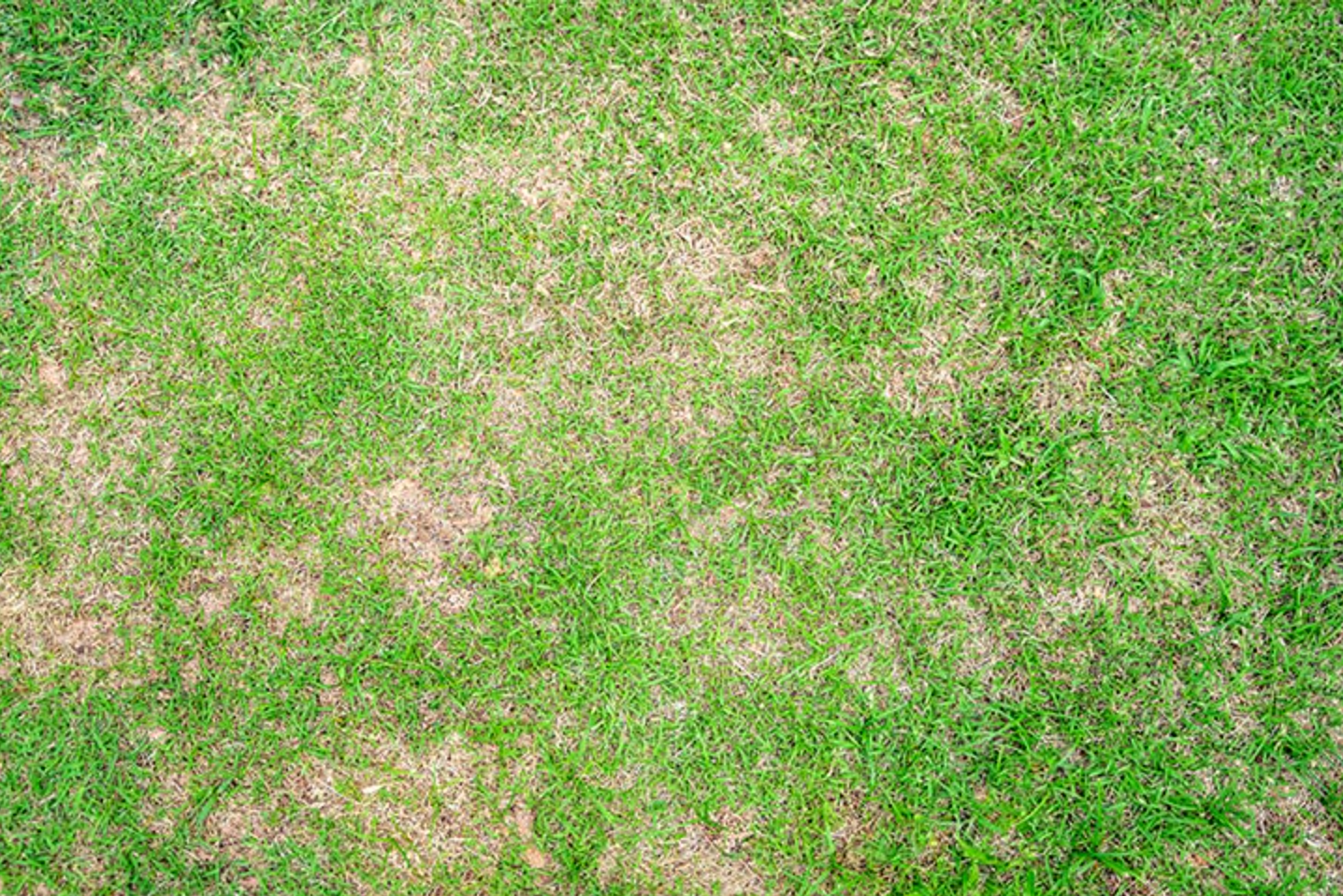
Many Sydney homeowners look out the window during winter and wonder whether something is wrong with their lawn. It may appear lighter in colour, thinner than usual or less vibrant than it was during summer.
In most cases, these changes are completely normal and are simply part of how warm-season turf responds to cooler weather.
Less Sunlight Means Less Growth
Winter days are shorter, and lawns receive fewer hours of sunlight. Grass uses sunlight to produce energy through photosynthesis. When sunlight is reduced, the lawn naturally slows its growth and conserves resources. This slower growth often causes the lawn to appear less lush than it does during the warmer months.
Cooler Temperatures Affect Appearance
Sydney winters are mild, but temperatures are still low enough to affect warm-season grasses. Buffalo, Couch and Kikuyu all perform best when temperatures are warm. During winter, these grasses reduce their activity and can temporarily lose some of their rich green colour. This doesn't mean the lawn is dying. It's simply adapting to seasonal conditions.
You See More Thatch and Older Growth
During periods of active growth, fresh green leaves constantly replace older material. In winter, new growth slows significantly. This means older leaves and thatch become more visible, giving the lawn a less vibrant appearance. Many homeowners mistake this for disease or decline when it is actually a normal seasonal change.
Lawn Damage Stands Out More
Small issues that were hidden during summer often become more obvious in winter. Pet damage, compaction, drainage problems and worn areas can stand out because the lawn is not growing rapidly enough to cover them. Winter can actually be a useful time to identify areas that may need improvement before spring.
Different Turf Varieties Respond Differently
Not all lawns react to winter in the same way. Premium Buffalo varieties like Sir Walter DNA Certified generally retain colour better through winter than many couch grasses. The amount of winter sun your lawn receives can also make a significant difference.
When Should You Be Concerned?
Seasonal colour change and slower growth are normal. However, you should investigate further if you notice:
Large Dead Areas
Sections that are completely dead rather than simply dormant may indicate another issue.
Persistent Waterlogging
Constantly wet soil can lead to root problems and disease.
Unusual Patches
Circular patches, severe thinning or rapidly spreading discolouration may indicate fungal disease or pest activity.
How to Keep Your Lawn Looking Its Best
Continue mowing as required, remove leaves and debris, avoid overwatering and minimise unnecessary stress on the lawn. These simple practices help maintain appearance while supporting long-term health. If you're unsure, get in touch with our friendly team to help identify the cause.
The Complete Guide to Winter Lawn Care in Sydney
Should You Fertilise Turf in Winter?