
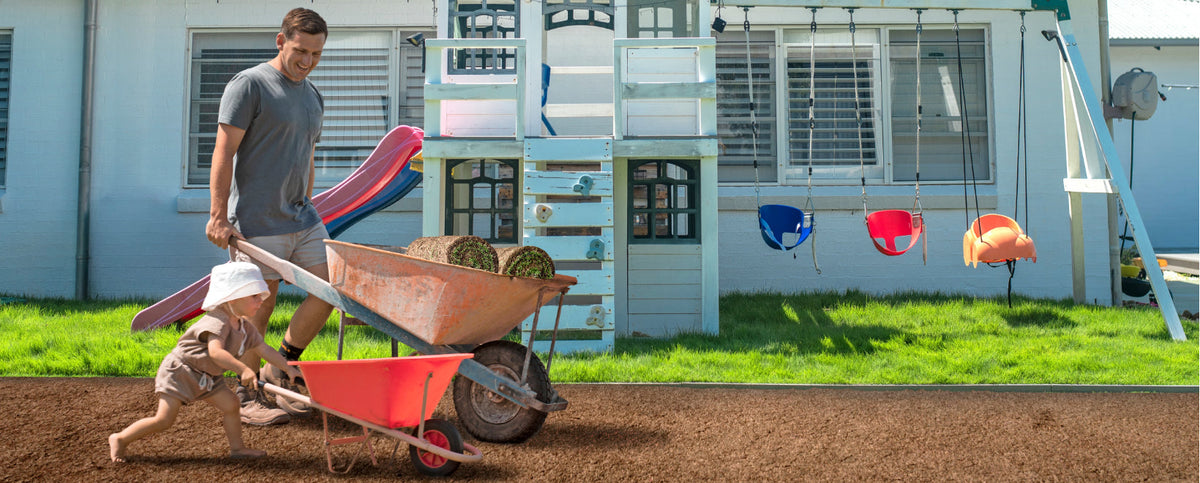
Spring is one of the busiest times of year for your lawn. As temperatures rise and warm season grasses begin actively growing, problems that developed during winter can suddenly become much more noticeable. Weeds appear, thin areas start growing unevenly and lawns that looked acceptable in winter can suddenly need some serious attention.
The good news is that spring is also one of the best times to fix many common lawn problems. Here are some of the most common spring lawn problems Sydney homeowners experience and what you can do about them.
Why is my lawn still brown after winter?
Warm season grasses naturally slow down during cooler weather. Depending on the turf variety, temperature and amount of sunlight, your lawn may remain brown or dormant well into spring. The important thing is not to assume that a brown lawn automatically needs fertiliser.
As temperatures warm, look for signs of new growth. Once your lawn is actively growing, you can begin your normal spring maintenance program. Different turf varieties will also green up at different rates. Some warm season grasses recover faster than others, so patience can be important during the transition from winter to spring.
Why is my lawn patchy?
Patchiness can have many causes. Common reasons include winter dormancy, heavy foot traffic, compacted soil, poor drainage, insufficient sunlight, pests, disease, poor irrigation and excessive thatch. If the rest of your lawn is healthy and you only have a few small bare areas, these may be repairable.
If the entire lawn is thin or struggling, however, it may be worth looking at the underlying soil and growing conditions rather than simply trying to add more grass.
Why is my lawn full of weeds in spring?
Weeds love opportunity. When turf becomes thin or weak, weeds have more space to establish. Spring weather also encourages rapid weed growth. Common lawn weeds can include Bindii, Clover, Oxalis and Cudweed.
The best approach is to identify the weed first and then choose a treatment that is appropriate for the particular turf variety. For a small number of weeds, hand removal can be effective. Larger infestations may require a suitable herbicide. We recommend Lawn Solutions Australia All Purpose Weed Control. The convenient clip-on hose attachment ensures effortless application, eliminating the need for tedious measuring and mixing of concentrates. It’s user-friendly and perfect for anyone looking for a hassle-free solution to weed problems.
Why is my lawn growing unevenly?
If some parts of your lawn are growing much faster than others, look at the conditions in those areas. Differences in sunlight, moisture, soil depth, drainage and foot traffic can all affect turf growth. For example, an area receiving full sun may grow very differently from an area shaded by a house or large tree. Different turf varieties also have different levels of shade tolerance, growth rates and maintenance requirements.
Why does my lawn feel hard underfoot?
A hard lawn can be a sign of soil compaction. Compaction commonly occurs in areas that receive regular foot traffic, particularly around entertaining areas, pathways and children's play areas. When soil becomes compacted, there is less space for air and water to move through the soil. Aeration can help relieve compaction and improve conditions around the turf roots.
Why is water running off my lawn?
Water runoff can be caused by compacted soil, heavy clay, uneven levels or soil that has become difficult for water to penetrate. Instead of simply adding more water, investigate why the water is not entering the soil. Aeration and appropriate soil improvement can help in some situations.
A suitable wetting agent may also assist water penetration where water repellency is an issue. We recommend Lawn Solutions Australia Lawn Soaker - a ready to use soil wetting agent specifically developed for use on lawns. It improves the penetration of water so it can reach deep down to the roots. Regular use will ensure the soil re-wets and prevents further dry spots from forming.
Why is my lawn yellow?
Yellowing can have several possible causes. It may be related to nutrient availability, watering, soil conditions, drainage, pests, disease or environmental stress. This is why simply adding fertiliser is not always the answer.
If the lawn is yellow, look at the entire area and consider whether the colour change is uniform or isolated to particular sections. If the problem occurs in the same location every year, there may be an underlying soil, drainage, sunlight or irrigation issue.
Why does my lawn have bare patches?
Small bare patches may be caused by wear, pests, pets or environmental conditions. Before repairing the area, work out why the turf disappeared in the first place. There is little point repairing a patch if the same problem is going to happen again. For example, if a particular area receives constant foot traffic, improving soil conditions alone may not solve the problem.
Should I renovate my lawn?
A lawn renovation can be a great option if your lawn has several problems at once. A typical spring renovation can include weed control, dethatching, aeration, fertilising and top dressing. The order of these activities is important, and major renovation work should generally wait until the turf is actively growing and temperatures are consistently warm.
When should I replace my lawn instead?
Sometimes renovation is not the best solution. If your lawn has extensive bare areas, poor soil, major drainage problems or a turf variety that is unsuitable for your location, replacing the lawn may produce a better result.
Fresh turf also provides an opportunity to choose a variety that better suits your garden. For example, a lawn exposed to heavy family use may have different requirements from a shaded backyard or a low maintenance garden. Compare which turf variety best suits your space with our lawn comparison guide.
Choose the right turf for Sydney
There is no single turf variety that is perfect for every garden. At Greenway Turf Supplies, we supply a range of quality turf varieties including Sir Walter DNA Certified Buffalo, Sir Grange Zoysia, Zoysia Australis, TifTuf Hybrid Bermuda and Eureka Kikuyu.
The right choice depends on factors such as sunlight, shade, foot traffic, appearance, maintenance requirements and how you want to use your lawn.
Spring lawn troubleshooting checklist
If your lawn is struggling this spring, ask yourself:
- Is the lawn actively growing?
- Is it receiving enough sunlight?
- Is the soil compacted?
- Is water reaching the roots?
- Are weeds competing with the turf?
- Is there excessive thatch?
- Has the lawn been fertilised at the correct time?
- Are there signs of pests?
- Is the turf variety suitable for the location?
- Would renovation or replacement provide a better result?
Spring is the perfect time to investigate these problems because your lawn is entering its main growing season. Fix the underlying problem now and you will give your lawn a much better chance of staying healthy through the heat and stress of Sydney summer.
Having trouble getting your lawn back on track? Get in touch with us for advice on choosing the right turf for your garden, or explore our blog for more lawn care tips and advice.
Spring Lawn Care Sydney: How to Bring Your Lawn Back to Life After Winter