
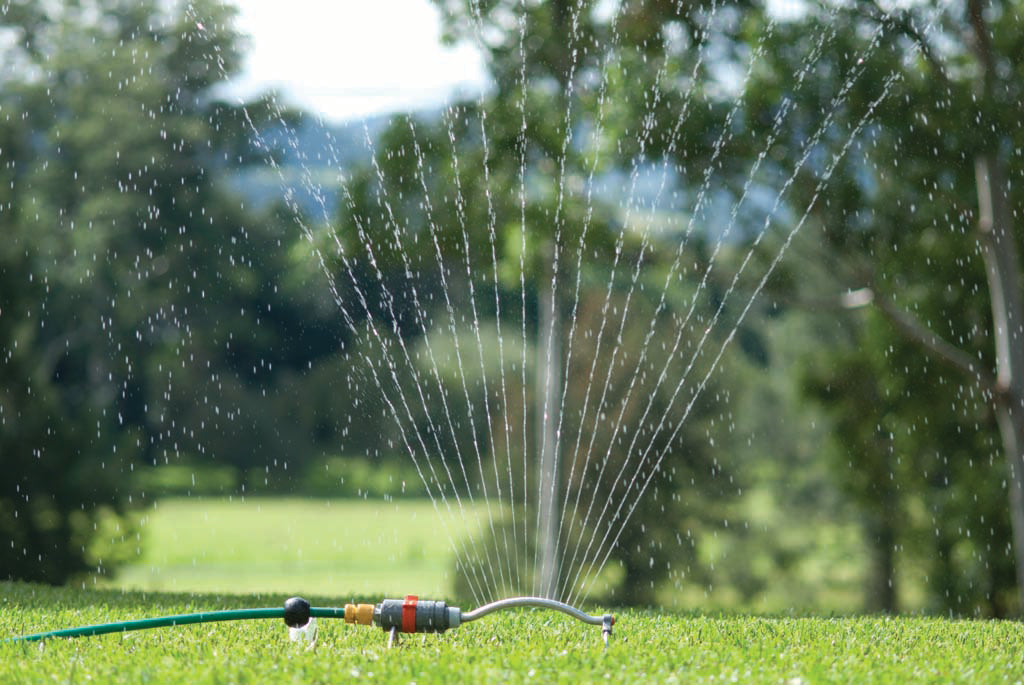
Watering your lawn sounds simple, but getting it right can make a huge difference to the health and appearance of your grass. As Sydney moves from winter into spring, your lawn's watering requirements begin to change. Temperatures increase, turf starts actively growing and evaporation gradually increases. The key is knowing when your lawn actually needs water rather than simply turning on the sprinklers every day.
How often should you water your lawn in spring?
There is no single number of minutes or days that works for every Sydney lawn. Your watering requirements depend on turf variety, soil type, sunlight, temperature, rainfall, wind, drainage and lawn maturity.
A newly laid lawn has very different watering requirements from an established lawn. The goal with an established lawn is generally to provide enough water to keep the turf healthy while encouraging a strong root system.
Does my lawn need as much water in spring as summer?
Usually not. Spring temperatures are generally lower than summer temperatures, which means evaporation is often lower. Natural rainfall may provide much of the moisture your lawn requires.
We recommend a relatively minimal approach to additional watering during spring when rainfall is adequate, rather than automatically watering on a frequent schedule. Of course, Sydney weather can vary considerably, so monitor your lawn and soil rather than relying purely on the season.
How do I know if my lawn needs water?
Your lawn can provide several clues. Look for grass beginning to lose its normal colour, leaves becoming less upright, footprints remaining visible after walking across the lawn, dry or cracking soil and areas that are noticeably different from the rest of the lawn. If the lawn looks healthy and the soil still has adequate moisture, there may be no reason to water.
The good news is that our premium turf varieties - Sir Walter DNA Certified Buffalo, Sir Grange Zoysia, Zoysia Australis, and TifTuf Hybrid Bermuda all have high drought tolerance and are great lawn choices for Sydney.
Is daily watering good for your lawn?
For an established lawn, frequent shallow watering is generally not the goal. A healthier approach is often to allow the soil to dry somewhat between watering and then provide a deeper soaking when water is actually required. This encourages roots to explore deeper into the soil profile. Deeper roots can help your lawn cope with periods of dry weather and summer heat. Lawn Solutions Australia recommends a deeper soaking rather than frequent light watering during spring.
What about newly laid turf?
New turf is completely different. Immediately after installation, the priority is preventing the new turf and its developing roots from drying out. Your new lawn needs consistent moisture while the roots establish into the soil. However, you do not want the soil permanently saturated. Too much water can create its own problems, particularly where drainage is poor. Check the lawn regularly and adjust watering based on weather conditions.
How often should I water new turf?
Rather than following a rigid schedule, monitor the moisture in the root zone. New turf exposed to warm temperatures, wind and full sun can dry out faster than turf installed in a sheltered area. Rainfall should also be taken into account.
The goal is simple: keep the developing root zone moist without allowing it to become waterlogged. As the roots establish, you can gradually transition towards deeper and less frequent watering.
What time of day should I water my lawn?
Early morning is generally an excellent time to water. Watering early allows moisture to reach the soil before temperatures rise and evaporation increases. It also avoids leaving the lawn unnecessarily wet overnight.
Should I water my lawn after fertilising?
Some fertilisers require watering in after application, while others may have specific instructions. Always follow the product label. Applying fertiliser without enough moisture can reduce its effectiveness, particularly where the soil is dry.
Why is water running off my lawn?
If water is pooling or running away instead of soaking into the soil, investigate the cause. Possible reasons include compacted soil, heavy clay, poor drainage, uneven levels or water repellent soil. Aerating compacted areas can help improve the movement of water through the soil.
A suitable wetting agent may also assist water penetration where water repellency is an issue. We recommend Lawn Solutions Australia Lawn Soaker - a ready to use soil wetting agent specifically developed for use on lawns. It improves the penetration of water so it can reach deep down to the roots. Regular use will ensure the soil re-wets and prevents further dry spots from forming.
Should I aerate my lawn in spring?
Spring can be an excellent time to aerate an actively growing warm season lawn. Aeration creates openings in compacted soil and can improve the movement of air, water and nutrients around the roots. It can be particularly useful in high traffic areas.
Check your irrigation before summer
Spring is the perfect time to inspect your irrigation system. Turn everything on and look for blocked sprinkler heads, broken sprinklers, leaks, uneven coverage and areas receiving too much or too little water. If your irrigation system is not distributing water evenly, your lawn cannot be expected to perform evenly.
Spring lawn watering checklist
- Check soil moisture regularly.
- Take rainfall into account.
- Avoid automatically watering every day.
- Water established lawns deeply when required.
- Keep new turf moist while roots establish.
- Check for water runoff.
- Aerate compacted areas.
- Inspect irrigation systems.
- Adjust watering as temperatures rise.
- Prepare your irrigation system before summer.
The best lawn watering routine is not necessarily the one that uses the most water. It is the one that gives your turf the moisture it needs when it needs it.
Want to learn more about keeping your lawn healthy all year round? Explore our blog for more lawn care tips, or get in touch with our team for advice about choosing the right turf for your property.
Spring Lawn Weeds: Common Weeds in Sydney Lawns and How to Stop Them
Get Your Lawn Summer Ready: The Ultimate Spring Lawn Care Checklist